

How to Choose the Right Landscape Design for Your Outdoor Space

How to Choose the Right Landscape Design for Your Outdoor Space
Selecting the perfect landscape design for your outdoor space can feel overwhelming. With so many options, styles, and considerations to account for, it’s easy to get lost in the details. But fear not! In this article, we’ll break down essential landscape design tips that will help you create a beautiful, functional, and sustainable outdoor environment that fits your lifestyle and complements your home.

Understanding Your Space
Before diving into design specifics, it's crucial to evaluate your outdoor area. Consider the following elements:
Assess the Size and Shape
Measure Your Space: Grab a tape measure and jot down the dimensions of your yard. Understanding the size will help you determine what can realistically fit in your landscape.
Consider the Layout: Is your yard flat, sloped, or irregular? The terrain can greatly influence your design choices. For instance, a sloped area may require terracing to prevent erosion and make planting easier.
Identify Key Features
Existing Structures: Take note of features like patios, decks, fences, and trees that will impact your design. Are there any features you want to keep or remove?
Sunlight and Shade: Observe how sunlight hits your space throughout the day. Areas that receive full sun may be well-suited for vibrant flower gardens, while shaded spots might be ideal for ferns and shade-loving plants.
Establishing Your Goals
Once you’ve assessed your space, it’s time to think about what you want from your landscape design.
Define Your Purpose
Functionality: Are you looking for a peaceful retreat, a space for entertaining guests, or a play area for children? Understanding how you plan to use your outdoor space will guide your design choices.
Aesthetic Appeal: Do you prefer a modern minimalist look, a lush cottage garden, or a formal landscape? Your style preference will dictate plant selections, color palettes, and hardscaping materials.
Consider Sustainability
Eco-Friendly Practices: More homeowners are prioritizing sustainable landscaping. Choose native plants that require less water and are more resistant to local pests. Consider installing rain gardens or permeable paving to manage stormwater runoff.
Resources: If you're unsure where to start, look for local landscaping services that specialize in sustainable design. They can offer valuable insight and help you achieve a more eco-conscious landscape.
Crafting Your Landscape Design
With your goals in mind, it’s time to start creating your landscape design. Here are some practical tips to help you through the process:
Start with a Plan
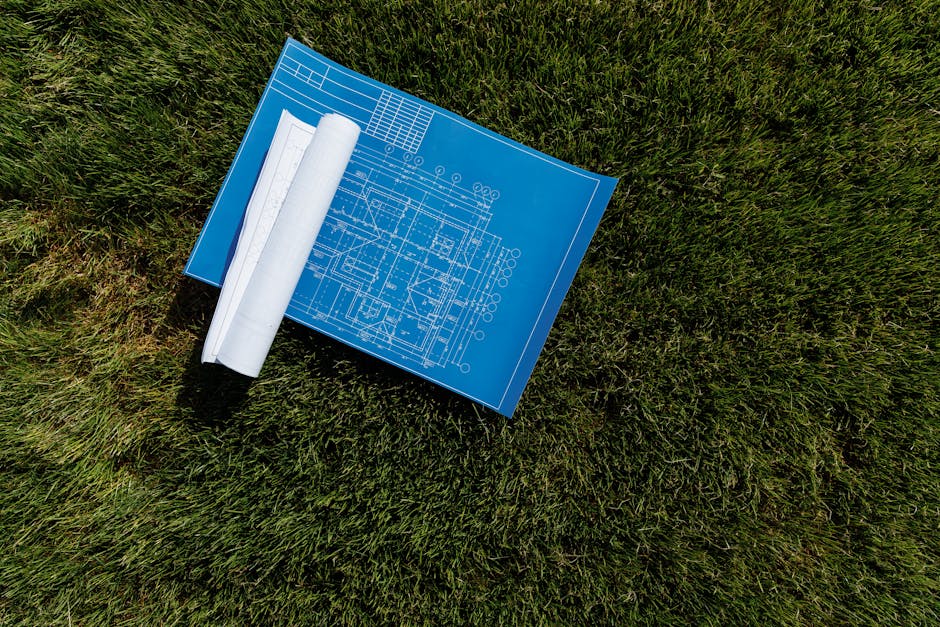
Draw a Scale Plan: Sketch out your yard on graph paper or use digital design tools. Include existing features and mark where you would like to add new elements.
Zoning Your Space: Divide your outdoor area into zones for different purposes. For example, you might have a dining area, a garden, and a play zone all within one landscape.
Select the Right Plants
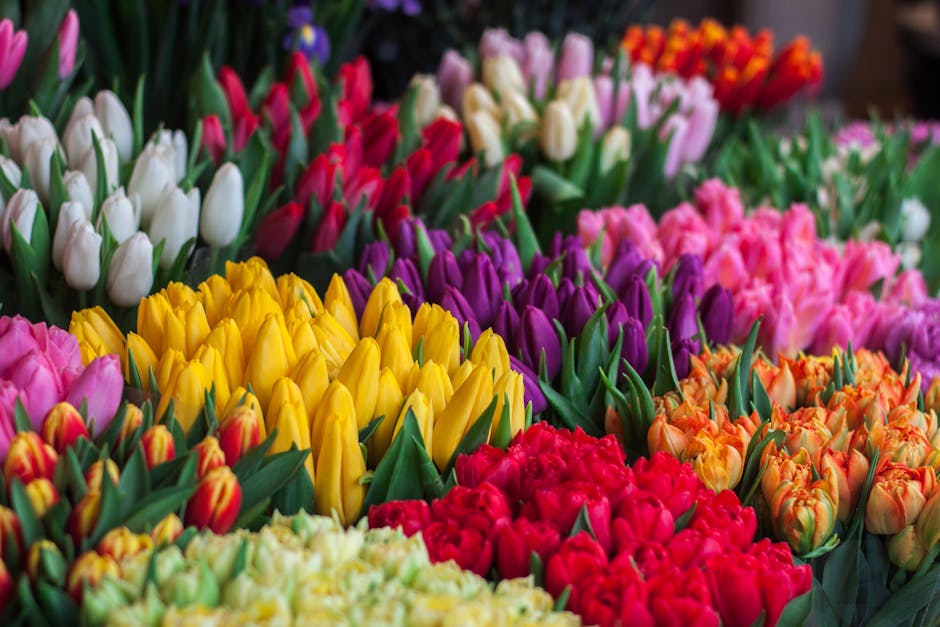
Choose Wisely: When selecting plants, consider the local climate, soil conditions, and maintenance requirements. Mix perennials with annuals for year-round color, and incorporate a variety of heights and textures for visual interest.
Layering: Use a layering technique where taller plants are placed at the back and shorter ones at the front. This not only makes the landscape more appealing but ensures that all plants receive adequate sunlight.
Incorporate Hardscaping Elements
Paths and Patios: Create walkways using stone or gravel to guide visitors through your yard and connect different zones. Patios can serve as a gathering space and can be enhanced with outdoor furniture.
Water Features: Consider adding ponds or fountains for a serene touch. Water features can attract wildlife and create a calming atmosphere.
Lighting Your Landscape
Strategic Lighting: Install outdoor lighting to enhance the beauty of your landscape at night. Use path lights, spotlights on trees, or even string lights over patios to create a cozy ambiance.
Safety First: Ensure walkways and entrances are well-lit to prevent accidents after dark.
Hiring a Landscaping Professional
If the idea of designing your outdoor space feels daunting, don’t hesitate to reach out to local landscaping services. Here are some tips for choosing the right professional:
Research Qualified Landscapers
Check Reviews: Look for companies with positive reviews and a solid portfolio. Websites like Yelp and Google Reviews can provide insight into customer experiences.
Request Consultations: Speak with multiple landscapers to discuss your vision. A reputable professional will take the time to understand your needs and provide suggestions tailored to your space.
Prepare for the Process
Budgeting: Establish a budget upfront. Be open about your financial constraints, and ask for detailed estimates from potential hires.
Timeline: Understand the timeline for project completion. Landscaping can be weather-dependent, so it's essential to have realistic expectations.
Maintenance Considerations
Once your landscape design is in place, ongoing maintenance will keep your outdoor space looking beautiful year-round.
Seasonality
Routine Care: Regularly prune plants, mow lawns, and mulch flower beds to keep your landscape healthy. Seasonal changes may also require specific tasks like winterizing plants or summer watering schedules.
Consult Resources
Online Guides: Utilize online resources for specific plant care guides and seasonal checklists. Websites like [link to /guides/plant-care] can help you maintain your landscape effectively.
---
FAQ Section
1. How do I know which plants are native to my area?
Check with local garden centers or extension services to find a list of native plants suited for your climate and soil type.
2. Can I design my landscape without hiring a professional?
Absolutely! With a bit of research and planning, many homeowners successfully design their landscapes independently. Just be sure to assess your space and understand your needs.
3. What’s the best time to start landscaping?
Spring and fall are generally considered the best times for planting in most areas. However, it depends on your specific climate and the plants you choose.
4. How can I ensure my landscape is sustainable?
Opt for native plants, incorporate rain gardens, and use organic maintenance practices to create a sustainable landscape.
5. What should I consider when designing a small yard?
Focus on vertical space, use light colors for hardscaping, and choose plants that don’t grow too large to create the illusion of space. ---
By following these landscape design tips, you can transform your outdoor space into a beautiful, functional, and sustainable environment. Whether you choose to tackle the project yourself or enlist the help of a local landscaping service, these guidelines will help you create a yard that you'll enjoy for years to come!
Back to All Blog Posts