

How to Choose the Right Smart Home Technology for Your Lifestyle

How to Choose the Right Smart Home Technology for Your Lifestyle
Modern life is all about convenience and efficiency, which is why smart home technology is becoming an essential part of many households. If you're a homeowner looking to enhance your living space, understanding how to choose the right smart home technology can feel overwhelming with so many options available. But don't worry! This guide will take you through everything you need to know to select devices that fit your lifestyle, budget, and home layout, while also providing insights on how to integrate them with local service providers for installation and maintenance.

Understanding Your Needs and Lifestyle
Before diving into the nitty-gritty of smart home technologies, it's essential to assess your unique needs and lifestyle. Here are some factors to consider:
1. Daily Routines
Think about your daily activities. Are you someone who is often on the go, or do you spend most of your time at home? For instance:
- If you're frequently out of the house, security systems and smart locks may be your priority.
- If you're home more often, smart lighting, HVAC systems, and entertainment devices might be your focus.
2. Family Dynamics
Your family structure can significantly influence your choices:
- Families with young children may benefit from smart baby monitors or security cameras.
- Households with elderly members might need smart health monitoring systems.
3. Budget Considerations
Smart home technology can vary widely in price. Set a realistic budget before you start shopping. Consider:
- Initial Costs: The upfront investment in devices.
- Ongoing Costs: Subscription fees for services or apps.
4. Home Layout
The architectural design of your home can impact your smart home setup. For example:
- Open floor plans may benefit from whole-home audio systems.
- Multi-story homes might require additional smart switches or extenders to ensure consistent connectivity.
Types of Smart Home Technologies for Homeowners
Now that you have an understanding of your needs, let’s explore some major categories of smart home technologies available for homeowners.
Smart Security Systems
Home security is a major concern for many homeowners, and thankfully, smart home technology offers robust solutions.
Smart Locks
These allow you to lock or unlock your doors remotely and even give temporary access to guests. Some popular options include:
- August Smart Lock: Fits over your existing deadbolt, making installation easy.
- Schlage Encode: Built-in WiFi means no additional hub is needed.
Security Cameras
Wireless cameras offer peace of mind by allowing you to monitor your home from anywhere. Consider:
- Ring Video Doorbell: Great for seeing who’s at your door.
- Arlo Pro: Offers versatile mounting options and excellent video quality.
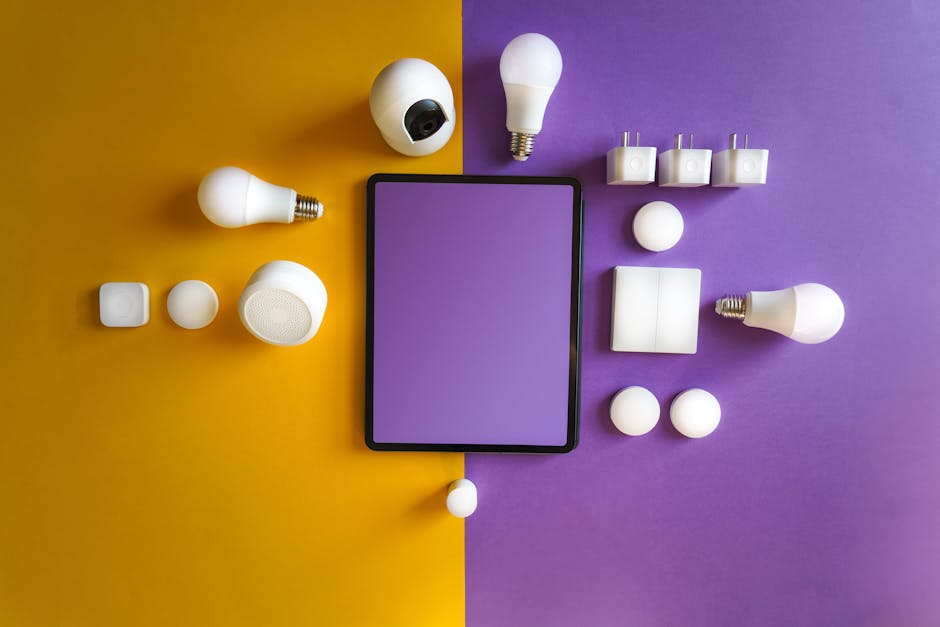
Smart Lighting
Smart lighting can enhance the ambiance of your home while also providing convenience and energy savings.
Smart Bulbs
These can be controlled via an app or voice command. Some popular choices include:
- Philips Hue: Allows you to customize colors and set schedules.
- LIFX: No hub required, and they can be integrated with various smart home systems.
Smart Switches
If you want to control existing light fixtures, smart switches are a great option. Look for:
- Lutron Caseta: Compatible with many smart home systems and easy to install.
- WeMo Light Switch: Great for those who want to control lights from anywhere.
Smart Thermostats
These devices help manage your home’s heating and cooling efficiently, saving both energy and money.
Popular Choices
- Nest Learning Thermostat: Learns your schedule and automatically adjusts for efficiency.
- Ecobee SmartThermostat: Comes with a room sensor to manage temperature disparities in larger homes.
Integrating Smart Home Technologies
Once you’ve decided on the devices that fit your lifestyle, the next step is integration. Here are some tips for a seamless installation and operation of your smart home technology.
1. Choose a Smart Hub
A smart hub acts as the central control point for your devices. Popular options include:
- Amazon Echo: Works with many smart home devices and uses voice commands.
- Google Nest Hub: A user-friendly interface and great for controlling Google-compatible devices.
2. Connectivity Considerations
Ensure that your home’s WiFi network is strong and reliable, as most smart home devices rely on it to function effectively. If needed, consider:
- WiFi Extenders: These can help provide coverage in larger homes.
- Mesh Networks: Offer more reliable connections across multiple devices.
3. Professional Installation and Maintenance
While many devices are designed for DIY installation, some may require professional expertise. Here’s where local service providers can help:
- Find a Handyman: If you need help with installation, consider hiring a local handyman who specializes in smart home devices. Find a Handyman
- Regular Maintenance: Schedule routine check-ups for your devices to ensure they’re functioning correctly.

Practical Tips for Smart Home Success
To get the most out of your smart home technology, consider these practical tips:
1. Start Small
If you’re new to smart home technology, begin with one or two devices rather than overhauling your entire home. This allows you to learn and adapt as you go.
2. Keep Security in Mind
Always prioritize security by:
- Using strong, unique passwords for each device.
- Keeping your software and firmware updated.
3. Engage Family Members
Ensure that everyone in your household knows how to use the devices. Create a family guide or hold a demonstration to make the transition smoother.
4. Explore Automation
Once you're comfortable, explore automation options. This allows devices to work together seamlessly and can enhance convenience. For example, set your smart lights to turn on automatically when your smart lock is engaged.

Conclusion
Choosing the right smart home technology for your lifestyle doesn’t have to be a daunting task. By assessing your needs, understanding the types of devices available, and integrating them effectively, you can create a smart home that enhances your daily life. Take the time to explore options and engage local service providers for installation and maintenance to ensure a smooth transition into the smart home world.
Frequently Asked Questions
1. What is a smart home?
A smart home is a residence that uses internet-connected devices to enable remote management and monitoring of systems and appliances, such as lighting, heating, and security.
2. Can I install smart home devices myself?
Many devices are designed for DIY installation, but some may require professional expertise, especially if they involve complex wiring or integration with existing systems.
3. How can I ensure my smart home is secure?
Use strong, unique passwords, enable two-factor authentication where available, and keep firmware up to date.
4. What is a smart hub?
A smart hub is a device that connects and controls smart home devices, allowing them to communicate with each other and be managed through a single interface.
5. Can I expand my smart home over time?
Absolutely! You can start with a few key devices and expand your setup as your needs and budget allow.
By following this guide, you’ll be well on your way to creating a smart home that perfectly fits your lifestyle!