

Ultimate Guide to Eco-Friendly Home Renovations: How to Choose Sustainable Contractors

Ultimate Guide to Eco-Friendly Home Renovations: How to Choose Sustainable Contractors
In today’s world, where environmental awareness is on the rise, many homeowners are leaning toward eco-friendly home renovations. Not only do these renovations help reduce your carbon footprint, but they can also lead to significant savings on energy costs and boost your property value. In this ultimate guide, we’ll explore the benefits of eco-friendly renovations and provide you with tips on how to find and hire sustainable contractors in your area.
!
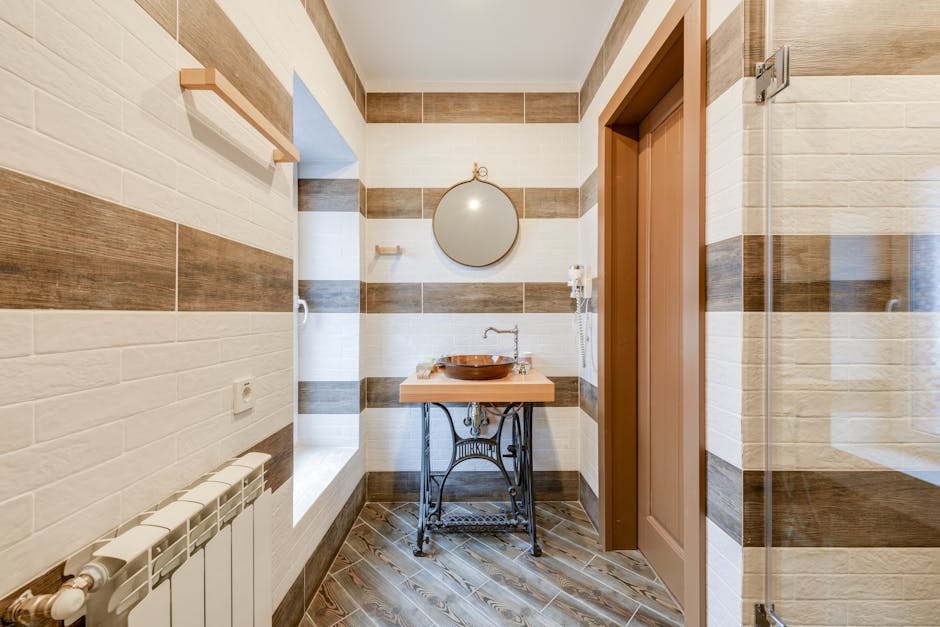
Why Choose Eco-Friendly Home Renovations?
The Environmental Impact
Eco-friendly home renovations focus on sustainable materials, energy efficiency, and waste reduction. By opting for these practices, you contribute to the conservation of natural resources and help mitigate climate change. For example, using recycled materials or sustainably sourced woods reduces the demand for new resources, preserving forests and ecosystems.
Health Benefits
Many traditional renovation materials can emit volatile organic compounds (VOCs) and other harmful chemicals that affect indoor air quality. Eco-friendly options, such as low-VOC paints and natural insulation materials, can improve the air you breathe inside your home, leading to a healthier living environment for you and your family.
Economic Advantages
While eco-friendly renovations may come with a higher upfront cost, they often pay off in the long run. Energy-efficient appliances and high-quality insulation can significantly reduce utility bills. Additionally, many local governments offer tax credits or rebates for energy-efficient home improvements, making it a win-win situation.
How to Find Sustainable Contractors
Finding the right contractor for your eco-friendly home renovations is crucial. Here are some steps to guide you through the process.
1. Research and Referrals
Start by asking friends, family, or neighbors for recommendations. Word-of-mouth referrals can lead you to trustworthy contractors. You can also explore local online platforms such as Yelp, Angie's List, or HomeAdvisor where contractors are rated by past clients. Look specifically for those who specialize in sustainable practices.
2. Verify Credentials
When you’ve narrowed down your options, verify their credentials. Check if they have certifications that reflect their commitment to sustainability, such as:
- LEED certification (Leadership in Energy and Environmental Design)
- Green Building Council membership
- Other local eco-friendly certifications
3. Interview Potential Contractors
Don’t hesitate to ask questions during your initial consultations. Here are some key questions to consider:
- What eco-friendly materials do you recommend for my project?
- Can you provide examples of past eco-friendly renovations?
- How do you minimize waste during the renovation process?
- Are you familiar with local building codes related to sustainable practices?
4. Get Multiple Quotes
Collect quotes from at least three different contractors. This will give you a range of prices and help you understand the market rates for your project. Ensure each quote includes a detailed breakdown of costs, materials, and timelines.
!

5. Review Portfolios and References
Before making a decision, review each contractor’s portfolio. Look for projects similar to yours and pay attention to the quality of work. Ask for references and follow up to hear about other clients' experiences. This can give you insight into the contractor’s reliability and commitment to sustainability.
Key Features of Eco-Friendly Home Renovations
Energy Efficiency
Investing in energy-efficient appliances, windows, and HVAC systems can make a considerable difference in your home’s energy consumption. For example, Energy Star-rated appliances use less energy while providing the same performance as their less efficient counterparts.
Sustainable Materials
Opting for materials that are renewable, recycled, or sustainably sourced is a key aspect of eco-friendly home renovations. Some examples include:
- Bamboo flooring, which is fast-growing and renewable
- Recycled glass countertops
- Non-toxic paints and finishes
Water Conservation
Water-efficient fixtures, such as low-flow faucets and toilets, can drastically reduce water usage in your home. Consider installing rainwater harvesting systems or greywater systems that repurpose water for irrigation.
!

Indoor Air Quality
Improving indoor air quality should be a priority during your renovations. Use low-VOC paints and natural materials that don’t emit harmful chemicals. Additionally, ensure your home has good ventilation to allow for fresh air circulation, enhancing overall comfort.
Practical Tips for Your Renovation Journey
Develop a Clear Plan
Before contacting contractors, develop a clear plan outlining your renovation goals, budget, and timeline. This will help contractors understand your vision and provide accurate quotes.
Be Open to Recommendations
Good contractors will have valuable insights into eco-friendly practices. Be open to their suggestions about materials or methods you might not have considered.
Monitor Progress
Stay involved throughout the renovation process. Regular check-ins can help ensure that the project aligns with your vision and eco-friendly standards.
Conclusion
Choosing to undertake eco-friendly home renovations is a significant step toward a sustainable future. By finding the right sustainable contractors and making informed decisions about materials and methods, you can transform your home into an eco-friendly haven. Remember that every little change counts, from choosing energy-efficient appliances to selecting sustainable materials.
FAQ Section
1. What are the most popular eco-friendly renovation practices? Some popular eco-friendly practices include using energy-efficient appliances, installing solar panels, opting for sustainable materials like bamboo or reclaimed wood, and implementing water conservation measures.
2. How much more expensive are eco-friendly renovations compared to traditional ones? While eco-friendly renovations can be more expensive upfront, they often lead to long-term savings on energy and maintenance costs. Additionally, many eco-friendly materials have become more accessible in terms of pricing.
3. Are there any local incentives for eco-friendly renovations? Yes, many local governments offer incentives such as tax credits, rebates, and grants for energy-efficient home improvements. Check your local government’s website for available programs.
4. How do I ensure my contractor uses sustainable materials? Discuss your preferences and requirements during the initial consultation, and ask for documentation or certifications for the materials they plan to use.
5. Can I undertake eco-friendly renovations on a budget? Absolutely! Many eco-friendly renovations can be done on a budget. Focus on small changes like weatherproofing your home, using low-VOC paints, or upgrading to energy-efficient light bulbs to start making a difference.
By following these guidelines, you’ll be well on your way to creating a beautiful, sustainable home that benefits both your family and the planet. Ready to get started? Check out our resources for finding a sustainable contractor or explore more on eco-friendly home improvement tips!
Back to All Blog Posts