

10 Essential Questions to Ask Before Hiring a Local Plumber

10 Essential Questions to Ask Before Hiring a Local Plumber
Hiring a plumber can feel like a daunting task, especially when faced with a leaky faucet or a clogged drain. With so many options out there, how do you ensure you're choosing the right professional for the job? Asking the right questions can not only save you time and money but also prevent potential headaches down the line. In this article, we’ll cover the ten critical questions homeowners should ask when hiring a local plumber.
!
1. Are You Licensed and Insured?
One of the foremost questions to ask a plumber is whether they are licensed and insured. A valid license indicates that the plumber has met the required training and standards to operate legally in your area. Additionally, insurance protects you from liability in case of accidents or damages during the job.
Why It Matters
Hiring an unlicensed plumber can lead to subpar work and potential legal issues. Always request to see their license and insurance documents before moving forward with any work.
2. What Is Your Experience with Similar Jobs?
Experience matters greatly in the plumbing field. Different plumbing issues require different expertise. For instance, fixing a simple toilet leak differs vastly from dealing with complex sewer line repairs.
Tips for Evaluating Experience
- Ask about their years in the industry.
- Request references or case studies similar to your situation.
- Inquire about specific training or certifications related to your plumbing issue.
3. Can You Provide References?
A reputable plumber should be more than willing to provide references from previous clients. This not only gives you insight into their work ethic but also how satisfied their clients were with the results.
How to Verify References
- Reach out to past clients to ask about their experiences.
- Look for online reviews on platforms like Yelp or Google to gauge overall satisfaction.
- Consider checking with the Better Business Bureau for additional information.
!

4. What Is Your Pricing Structure?
Understanding how a plumber charges for their services is crucial. Some plumbers charge a flat fee, while others have hourly rates. It’s important to ask about any additional costs that may arise, such as materials or emergency service fees.
Actions You Can Take
- Request a written estimate before the work begins.
- Confirm whether the quoted price includes labor, materials, and any potential contingencies.
- Be wary of prices that seem too good to be true; quality work often comes at a fair price.
5. Do You Offer Warranties or Guarantees?
A quality plumber should stand by their work. Inquire about any warranties or guarantees on their services. This shows confidence in their workmanship and provides peace of mind for you as the customer.
What to Look For
- Warranty length: A good warranty typically lasts for at least a year.
- Coverage: Confirm what the warranty includes (parts, labor, or both).
- Exclusions: Understand any conditions that might void the warranty.
!

6. What Is Your Availability for Emergencies?
Plumbing emergencies can strike at any time, often at the most inconvenient moments. It's essential to know a plumber's availability for emergency situations.
How to Assess Availability
- Ask whether they offer 24/7 service or have specific emergency hours.
- Inquire about their response time for emergencies.
- Request information on who to contact after hours.
7. What Is Your Approach to Cleanliness and Safety?
A professional plumber should prioritize cleanliness and safety while working in your home. Ask about their protocols in these areas.
Questions to Consider
- Do they use protective coverings for floors and furniture?
- How do they dispose of waste materials?
- What safety measures do they take to ensure a safe worksite?
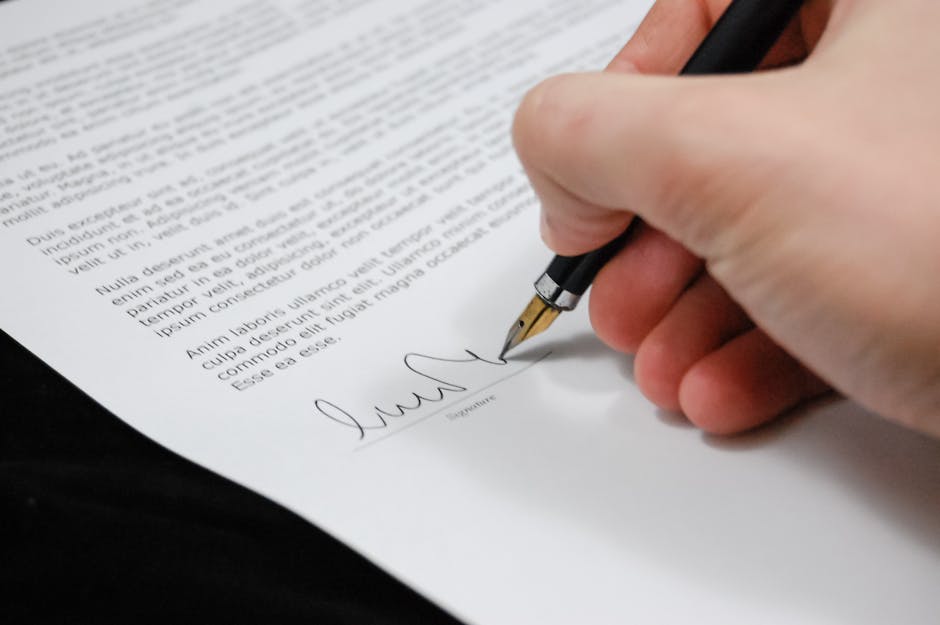
8. Will You Provide a Written Contract?
Before any work commences, a written contract should be provided outlining the scope of work, costs, and timelines. This document protects both you and the plumber.
Key Elements of a Good Contract
- Detailed description of services to be performed.
- Payment terms, including due dates and amounts.
- Timeline for project completion.
!
9. How Will You Communicate Throughout the Project?
Clear communication is vital for a successful plumbing project. Discuss with the plumber how they plan to keep you updated on the progress.
Effective Communication Strategies
- Ask if you will have a designated point of contact.
- Inquire about their preferred communication methods (phone, text, email).
- Set expectations for how often you will receive updates.
10. What Maintenance Tips Can You Offer?
An experienced plumber should be able to provide valuable advice on how to maintain your plumbing system and prevent future issues.
Practical Maintenance Tips
- Ask about routine inspections and when to schedule them.
- Inquire about simple maintenance tasks you can perform yourself.
- Request recommendations on products that can help maintain your plumbing system.
Conclusion
Choosing the right plumber can make all the difference in ensuring your plumbing issues are resolved efficiently and effectively. By asking these essential questions, you can arm yourself with the information needed to make an informed decision. Whether you're dealing with a minor leak or a major plumbing overhaul, the right professional can save you time, stress, and money.
For more information on finding reliable plumbing services, check out our guide on [How to Find a Plumber](link to /guides/how-to-find-a-plumber) or explore our resources on finding a handyman for additional home improvement needs.
FAQ
1. How can I determine if a plumber is reputable? Look for licensed and insured professionals, check references, and read online reviews to gauge their reputation.
2. What should I do if I have a plumbing emergency? Contact a plumber who offers emergency services and explain the situation clearly for timely assistance.
3. Are plumbing estimates usually free? Many plumbers offer free estimates, but confirm this upfront to avoid any unexpected charges.
4. Is it worth paying more for a highly rated plumber? Yes, investing in a reputable plumber can save you money in the long run by ensuring quality work and reducing the likelihood of future issues.
5. How often should I have my plumbing inspected? It’s advisable to have your plumbing system inspected annually or at least every two years to catch potential issues early.
By taking the time to ask these pivotal questions, you can ensure that you hire a competent local plumber who meets your needs and expectations. Happy plumbing!
Back to All Blog Posts