

The Ultimate Guide to First-Time Homeowner Repairs: Essential Services You Can\'t Ignore

The Ultimate Guide to First-Time Homeowner Repairs: Essential Services You Can't Ignore
Becoming a homeowner is one of life’s significant milestones. With the excitement of moving into your new abode comes the reality of home maintenance and repairs. As a first-time homeowner, you may feel overwhelmed by the myriad of responsibilities that come with owning a property. Fear not! This guide will arm you with essential knowledge about homeowner repair services you can't ignore, typical costs associated with these repairs, and tips on finding reliable local service providers.
!

Understanding Common Home Repairs
Every homeowner eventually faces repairs, but knowing what to expect can ease the anxiety. Here are some common repairs you may encounter:
1. Plumbing Problems
Plumbing issues can range from minor leaks to major overhauls. Common problems include:
- Leaky faucets: Typically, a worn-out washer or O-ring is the culprit.
- Running toilets: Often caused by a faulty flapper or fill valve.
- Blocked drains: Can be remedied with a plunger or a plumber's snake.
Typical Costs: Minor plumbing repairs average around $150 to $300. However, more extensive issues, such as replacing pipes, can range from $1,000 to $5,000.
2. Electrical Issues
Electrical problems can pose safety hazards, making it crucial to address them promptly. Common electrical repairs include:
- Flickering lights: Could indicate faulty wiring or a failing light fixture.
- Power outages: Often traced back to tripped breakers or blown fuses.
- Outlet issues: Loose outlets can be a fire hazard.
Typical Costs: Simple electrical repairs may cost between $100 to $400, whereas complex rewiring can run from $1,500 to $3,500.
3. Heating and Cooling Systems
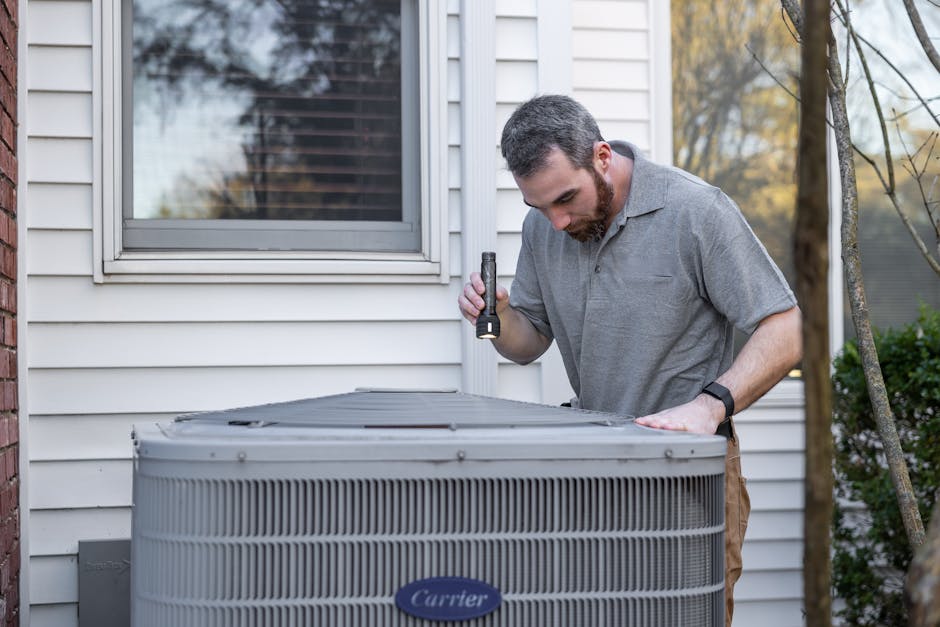
Your HVAC system is vital for comfort year-round. Common HVAC repairs are:
- Clogged filters: Can hinder airflow and efficiency.
- Thermostat malfunctions: May require recalibration or replacement.
- Refrigerant leaks: Need to be fixed by a professional to maintain efficiency.
Typical Costs: Routine maintenance averages around $100 to $200, while more significant repairs can cost between $500 to $2,000.
!
Essential Homeowner Repair Services
As you navigate your new responsibilities, knowing which homeowner repair services are essential can save time and money. Here’s a breakdown of crucial services you might need.
1. Handyman Services
A handyman can tackle a variety of tasks, from hanging shelves to performing minor plumbing repairs. When looking for handyman services, consider:
- Experience: Ensure they have a broad skill set.
- Reviews: Check online reviews or ask for references.
- Licensing: Verify they are appropriately licensed in your state.
Tip: Look for local handyman services that provide free estimates. Find a Handyman
2. Plumbing Services
Finding a reliable plumber is essential for both routine maintenance and emergency repairs. Here’s how to choose a plumber:
- Certification: Ensure they are licensed and insured.
- Experience: Look for plumbers with specific experience in the issues you face.
- Availability: A good plumber should be available for emergencies, often offering 24/7 services.
Tip: Don't hesitate to ask for a cost estimate before agreeing to any work. Guide to Finding a Plumber
3. Electrical Services
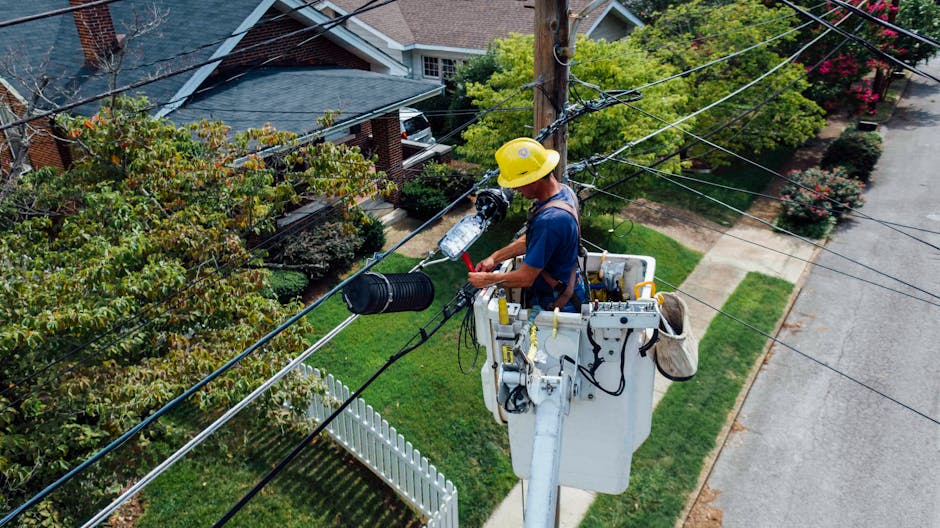
Electrical work is often best left to the pros due to safety concerns. When hiring an electrician, consider the following:
- License: Verify they are certified and insured.
- Specialization: Some electricians specialize in residential work, while others may focus on commercial properties.
- Reputation: Look for electricians with positive reviews, especially those who offer warranties on their work.
4. HVAC Services
Your HVAC system needs regular maintenance to ensure efficiency. When hiring an HVAC technician, keep these tips in mind:
- Regular Maintenance: Schedule annual check-ups to prolong the system's lifespan.
- Efficiency Ratings: Consider systems with higher efficiency ratings for lower energy costs.
- Furnace and AC Repair: Ensure the technician can handle both heating and cooling systems.
!
Budgeting for Repairs
As a new homeowner, budgeting for repairs can feel daunting. Here are some strategies to manage costs effectively:
1. Create a Maintenance Schedule
Plan regular maintenance tasks for different seasons. For example:
- Spring: Check your AC, clean gutters, and inspect your roof.
- Summer: Service your lawn equipment and check sprinkler systems.
- Fall: Inspect heating systems and prepare your home for winter.
- Winter: Check insulation and address any potential heat loss areas.
2. Set Up an Emergency Fund
Set aside 1-3% of your home’s value annually to cover unexpected repairs. This fund will help you manage emergencies without breaking the bank.
3. DIY vs. Hiring Professionals
While some repairs are DIY-friendly, others should be left to professionals. For example, fixing a leaky faucet might be simple, but electrical rewiring should always be handled by a licensed electrician.
Finding Reliable Local Service Providers
Now that you understand the essential homeowner repair services and costs associated with them, it’s time to find reliable local providers. Here’s how:
1. Online Directories and Reviews
Utilize online resources like Yelp, Angie’s List, and Google reviews to find reputable service providers in your area. Look for those with high ratings and positive feedback.
2. Ask for Recommendations
Friends, family, and neighbors can be excellent resources for recommendations. They may have firsthand experience with local tradespeople.
3. Get Multiple Quotes
Don’t settle for the first estimate you receive. Getting at least three quotes can give you a clearer picture of the market rates for the services you need.
!

Conclusion
Navigating the world of homeowner repairs can be overwhelming, especially for first-time homeowners. However, understanding common repairs, budgeting for them, and knowing how to find reliable services can empower you to manage your home effectively. Remember, the key is to stay proactive rather than reactive when it comes to repairs.
FAQ
1. How often should I schedule maintenance for my home? It's recommended to conduct seasonal maintenance checks, ideally quarterly.
2. What should I do if I have a plumbing emergency? Turn off the water supply, if possible, and contact a professional plumber immediately.
3. Are handyman services licensed? Licensing requirements vary by state. Always check local regulations and ask for proof of license.
4. How can I save money on home repairs? Consider DIY for simple tasks, create a maintenance schedule, and set up an emergency fund.
5. What are some signs I need to call a professional? Persistent issues, safety hazards, or problems beyond your skill set warrant professional help.
With this guide, you now have the tools and knowledge needed to tackle homeowner repair services with confidence. Happy home owning!