

Understanding the Importance of Drainage Systems in Home Landscaping

Understanding the Importance of Drainage Systems in Home Landscaping
As a homeowner, you likely take pride in your landscape. It’s where you relax, entertain friends, and enjoy nature's beauty. However, an often-overlooked aspect of landscaping is the drainage system. Proper drainage systems in landscaping can not only prevent water damage but also enhance the health and aesthetics of your garden. Let’s dive into why drainage systems are so crucial for your outdoor spaces and how you can optimize them for the best results.
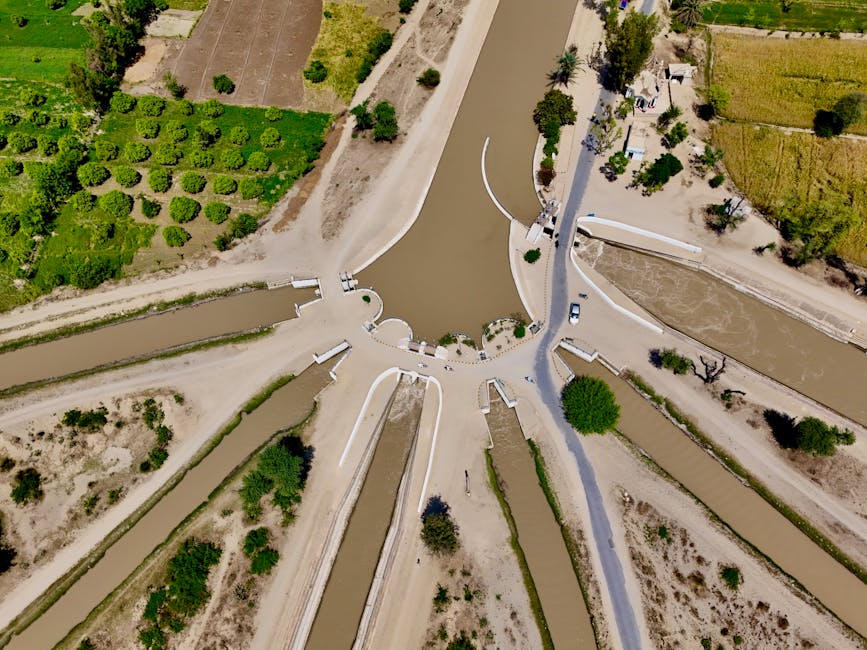
Why Drainage Systems Matter in Landscaping
Protecting Your Property from Water Damage
Water accumulation can lead to various problems, including foundation damage, soil erosion, and plant diseases. A well-designed drainage system helps redirect excess rainwater away from your home and garden, safeguarding your property.
One common issue homeowners face is basement flooding, which can be both a financial and emotional burden. An effective drainage system can prevent this by directing water away from your home's foundation. Investing in proper drainage systems landscaping minimizes the risk of costly repairs and increases the longevity of your property.
Enhancing Plant Health and Growth
Plants need water, but too much can be detrimental. Overwatering can lead to root rot, fungal infections, and a host of other issues that can hinder plant growth. By maintaining an optimal moisture level, a proper drainage system promotes healthier soils and vibrant plants.
Incorporating a drainage system can also help you select the right plants for your landscape. For instance, if you live in an area with heavy rainfall, you can opt for plants that thrive in well-drained soils, ensuring your garden flourishes.
Improving Soil Quality
Soil quality is a significant factor in successful landscaping. Excess water can leach nutrients from the soil, leading to poor plant health. A proper drainage system helps maintain the essential balance of moisture, promoting healthier soil filled with nutrients.
Aesthetic Appeal
Drainage systems don’t just serve practical purposes—they can also enhance the visual appeal of your landscape. Creative drainage solutions, such as dry creek beds or decorative rain gardens, can add character and charm to your outdoor space while effectively managing water runoff.
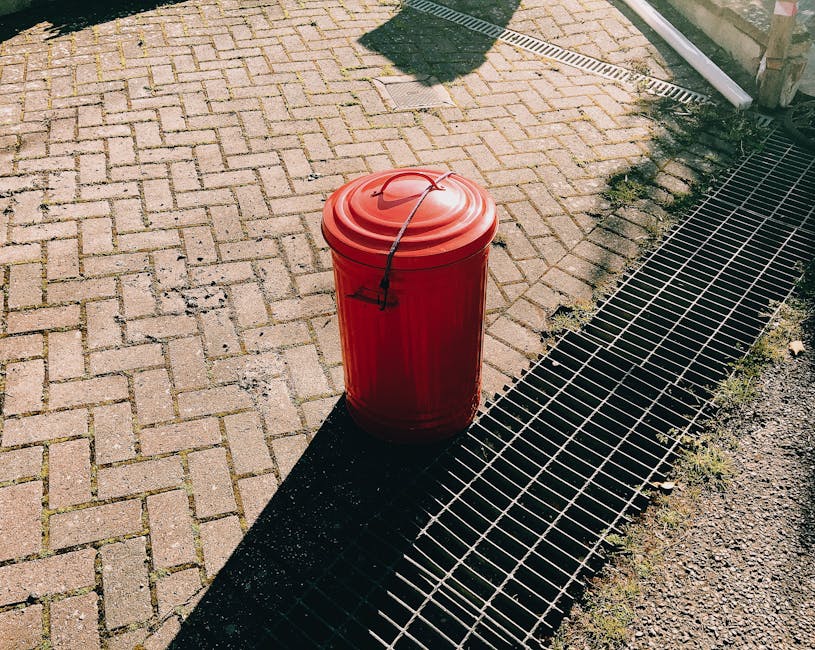
Types of Drainage Systems for Your Landscape
Understanding the different types of drainage systems available can help you choose the best option for your property.
1. Surface Drainage Systems
Surface drainage systems are designed to manage water runoff at the surface level. This type includes grading, swales, and ditches that guide water away from specific areas.
Grading Proper grading is crucial for directing water away from your home. The ground should slope away from the foundation at a minimum of 1% slope to ensure effective drainage. This can be achieved through landscaping adjustments that create a gentle slope.
Swales Swales are shallow, vegetated channels designed to direct water runoff. They can handle large rainfall events and are often used in conjunction with other drainage solutions to manage surface water effectively.
2. Subsurface Drainage Systems
Subsurface drainage systems involve installing pipes below ground to collect and redirect groundwater. Common types include French drains and perforated pipes.
French Drains A French drain consists of a trench filled with gravel and a perforated pipe at the bottom. This system is effective in redirecting groundwater away from areas prone to flooding.
Perforated Pipes These pipes are installed underground to collect excess water and direct it to a designated drainage area. They are often connected to a sump pump to remove collected water efficiently.
3. Downspout Drainage Systems
Downspouts are critical in managing roof runoff. They can be connected to underground drainage systems to channel water away from the foundation effectively.
Extension Pipes These pipes extend from your downspouts to direct water away from your home. Make sure they discharge water at least 5-10 feet away from your foundation to prevent pooling.
Rain Barrels Rain barrels can be a sustainable option, collecting rainwater from your roof for future use in your garden. Just be sure to have an overflow system in place to prevent flooding.
Installation Tips for Effective Drainage Systems
Assess Your Landscape
Before installation, assess your landscape’s topography and soil type. Understanding how water flows on your property can help you choose the most effective drainage solutions.
Consult with Professionals
While DIY projects can be rewarding, consulting with landscaping or drainage experts can save you time and prevent costly mistakes. They can provide tailored recommendations based on your specific needs.
Regular Maintenance
Once your drainage system is in place, regular maintenance is key. Check for blockages, sediment buildup, or any signs of damage. Keeping your system clear will ensure it continues functioning effectively.
Common Mistakes to Avoid
Overlooking Local Regulations
Before making any changes to your landscape, check local regulations regarding drainage. Some areas have specific requirements to prevent flooding or water runoff issues.
Ignoring Soil Type
Different soil types absorb and drain water differently. Ignoring soil composition can lead to ineffective drainage solutions. Conduct a soil test to understand its properties better.
Neglecting Vegetation
Plants can help manage water in your landscape. Consider incorporating native plants that are well-adapted to your region's climate and can help absorb excess moisture.
Conclusion
Proper drainage systems are a fundamental component of successful landscaping. They protect your property from water damage, promote healthy plant growth, and maintain soil quality, all while enhancing your outdoor aesthetic. By understanding the various types of drainage systems available and how to maintain them, you can create a thriving landscape that not only looks beautiful but functions efficiently.
Investing time and resources into a proper drainage system will pay off in the long run. If you feel overwhelmed or unsure where to start, don’t hesitate to reach out to professionals who can assist you in designing and installing the perfect drainage solution for your home.
FAQs
1. How do I know if my landscape has drainage issues? Look for signs of standing water, waterlogged soil, or plants that are wilting or showing signs of root rot.
2. Can I install a drainage system myself? While some homeowners successfully complete DIY drainage projects, it’s advisable to consult with professionals, especially for complex systems.
3. How often should I maintain my drainage system? Regular maintenance checks at least twice a year are recommended, especially before heavy rain seasons. Look for blockages and ensure proper flow.
4. What is the cost of installing a drainage system? Costs can vary widely depending on the complexity of the system and your landscape's size. On average, homeowners can expect to pay anywhere from $1,000 to $5,000.
5. Can plants help with drainage? Yes! Native plants can help absorb excess moisture while promoting a healthy ecosystem in your garden.
For further reading on home services, check out our guide on [How to Find a Plumber] and [how to choose the right landscaping professional].
Back to All Blog Posts