

How to Prepare Your Home for a Professional Electrical Inspection

How to Prepare Your Home for a Professional Electrical Inspection
When was the last time you thought about the electrical system in your home? If it’s been a while, you might want to consider scheduling an electrical inspection. These inspections are essential for ensuring that your home is safe, compliant with local codes, and energy-efficient. However, preparing for an electrical inspection can seem daunting. With the right preparation, you can ensure a smooth and stress-free process. In this guide, we’ll walk you through essential electrical inspection preparation tips, so you can rest easy knowing you’ve taken the necessary steps.
!
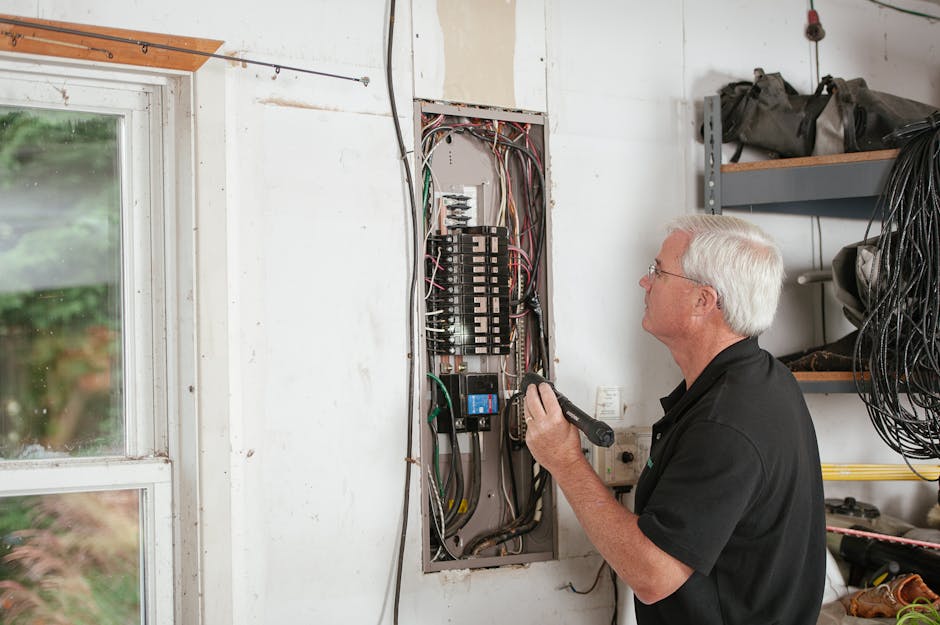
Why Electrical Inspections Are Important
Before diving into preparation tips, let’s discuss why electrical inspections matter. Regular inspections can help identify potential hazards, outdated wiring, or code violations that could pose risks to your family and property. They also play a crucial role in:
- Safety: Faulty wiring can lead to electrical fires, shocks, or even electrocution. An inspection helps catch these issues early.
- Compliance: Local building codes can change. An inspection ensures your home complies with current regulations.
- Insurance: Many insurers require a recent electrical inspection before issuing or renewing a policy. Failing to comply could lead to claims being denied.
By prioritizing an electrical inspection, you’re not just checking a box; you’re protecting your home and loved ones.
Preparing for an Electrical Inspection
Now that you understand the importance of an inspection, let’s explore how to prepare effectively. Here are some essential electrical inspection preparation tips to make the process smoother.
1. Schedule the Inspection at the Right Time
Timing is everything when it comes to home inspections. It’s best to schedule your electrical inspection during a time when you can be home to answer questions or provide access to specific areas. Avoid weekends or holidays when you might be busy with other commitments.
2. Clear Access to Electrical Panels and Outlets
Professional electricians need access to various areas of your home, especially the electrical panel, outlets, and any junction boxes. Here are some steps to ensure clear access:
- Remove Furniture: Move any furniture or items blocking access to electrical panels, outlets, or major appliances.
- Organize Storage Areas: If your electrical panel is located in a closet or storage area, tidy it up so the inspector can easily reach it.
- Check for Safety Hazards: Make sure there are no trip hazards, like loose wires or debris, in the areas around your electrical system.
!

3. Inspect Your Electrical System
Before the inspector arrives, take some time to inspect your electrical system yourself. This doesn’t replace a professional inspection, but it can help you identify any obvious issues. Here are some tips to consider:
- Look for Frayed Wires: Examine cords for wear and tear, especially in high-use areas.
- Check Outlets: Make sure outlets are not loose or cracked and check if they are functioning properly. Plug in a device to test them.
- Test GFCI Outlets: Reset and test all ground fault circuit interrupter (GFCI) outlets in your kitchen and bathroom to ensure they are working correctly.
4. Gather Necessary Documentation
Having documentation ready can help the inspection process go smoothly. Consider collecting the following:
- Previous Inspection Reports: If your home has had prior inspections, providing copies can help the electrician understand any past issues.
- Renovation Records: If you’ve made electrical upgrades or changes, gather any permits or records from those projects.
- Manufacturer Manuals: If you have newer electrical appliances, having their manuals can provide useful information during the inspection.
!
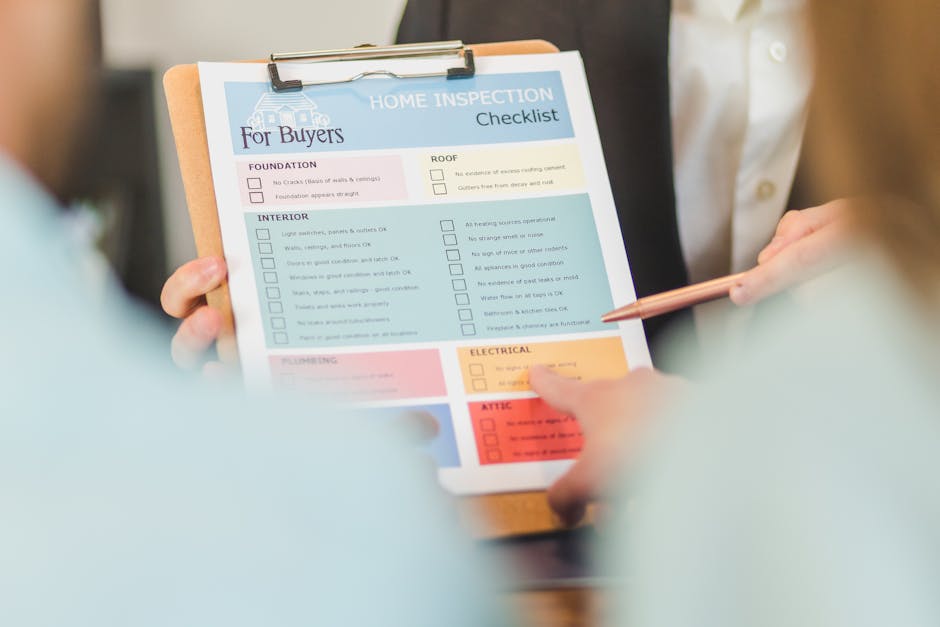
5. Communicate with the Inspector
Before the inspection, it’s helpful to communicate any specific concerns or areas of your electrical system that you feel may need special attention. This could include:
- Frequent Power Outages: If you’ve experienced recent issues like flickering lights or tripped breakers, let the inspector know.
- Outdated Wiring: If you suspect that your home has old or outdated wiring, bring it to the inspector's attention.
The Day of the Inspection
On the day of the electrical inspection, follow these tips to ensure everything goes smoothly:
1. Be Present
Being home during the inspection allows you to ask questions and get immediate feedback. It’s also an opportunity to learn more about your electrical system and how to maintain it.
2. Keep Pets Secure
To ensure the inspector can move freely and focus on their work, keep pets in a separate area away from the inspection zone. This not only keeps your pets safe but also allows the inspector to perform their job without distractions.
3. Prepare for Questions
Be ready to answer questions about your home’s electrical history. The inspector may want to know about past issues, renovations, or any unusual behavior from your electrical system. Having this information at hand can speed up the process.
!

After the Inspection
Once the inspection is complete, you’ll receive a report detailing the findings. Here’s what to do next:
1. Review the Report
Take time to read through the inspector’s findings. Highlight areas that need immediate attention or items that may require future planning.
2. Make Necessary Repairs
If the inspection report identifies issues, prioritize repairs based on urgency. For instance, frayed wiring or overloaded circuits should be addressed immediately for safety reasons.
3. Plan for Upgrades
If the inspector recommends updates (like replacing a fuse box with a circuit breaker), consider budgeting for these improvements. They can enhance safety and efficiency in your home.
Conclusion
Preparing for an electrical inspection doesn’t have to be a stressful experience. By following these electrical inspection preparation tips, you can ensure that your home is ready and compliant, while also safeguarding your loved ones. Remember, regular inspections are not just a matter of compliance; they are about maintaining a safe and efficient home.
For more home service tips, check out our helpful articles on how to find a qualified electrician or how to maintain your home’s electrical system.
Frequently Asked Questions
1. How often should I have my home inspected? It’s generally recommended to have your electrical system inspected every 3-5 years, or more frequently if you notice issues.
2. What happens if my home fails the inspection? If your home has deficiencies, the inspector will provide a report outlining necessary repairs. You will need to address these before passing the inspection.
3. Can I perform my own inspection? While you can conduct a basic check, a professional inspection is essential for identifying hidden issues and ensuring compliance with safety standards.
4. Are electrical inspections expensive? Costs can vary based on location and the size of your home, but a typical inspection can range from $100 to $300.
5. Do I need a permit for electrical repairs? Yes, most electrical work requires a permit to ensure compliance with local codes. Always check with your local building department before starting any repairs.